
How to Acclimatize in Huaraz Before a Trek or Climb
Huaraz is the gateway to some of the most spectacular mountain adventures in the Peruvian Andes. From here, you can explore the Cordillera Blanca, trek through the Cordillera Huayhuash or prepare for a high-altitude mountaineering expedition.
Before heading higher, however, one thing deserves time and attention: acclimatization. Huaraz sits at approximately 3,050 meters (10,000 ft) above sea level, which means travelers arriving from Lima or other low-altitude destinations experience a significant increase in elevation within a relatively short period.
Allowing your body time to adapt can improve your comfort, sleep and performance and reduce your risk of developing altitude illness during the days ahead.
What Is Altitude Acclimatization?
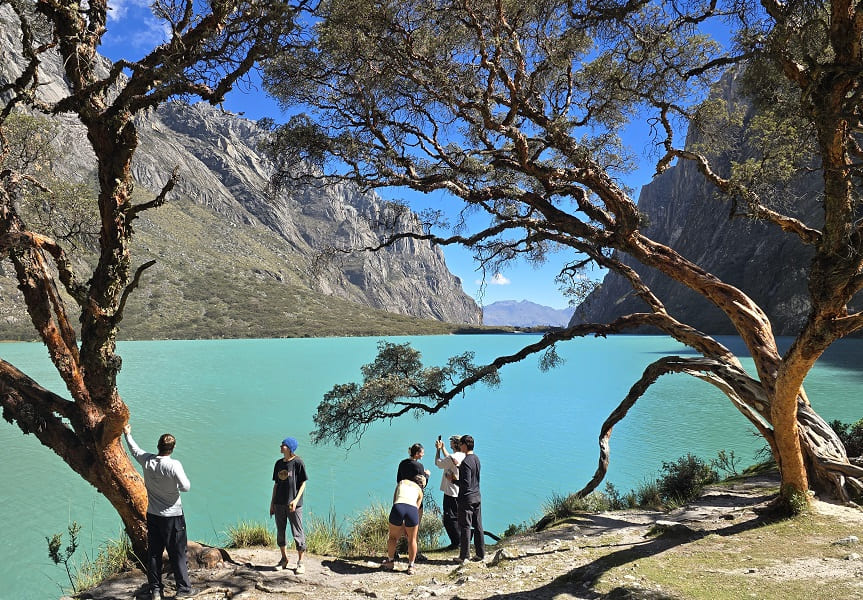
Acclimatization is the process through which your body gradually adapts to the reduced availability of oxygen at higher elevations. The most important initial phase generally occurs during the first three to five days after reaching altitude, although the body can continue adapting for much longer.
Everyone responds differently. Being physically fit can make hiking easier, but it does not make you immune to altitude sickness. Your individual susceptibility, how quickly you ascend, the elevation at which you sleep and your previous experience at altitude are all important factors.
That is why acclimatization should never be treated as a race.
How Many Days Do You Need to Acclimatize in Huaraz?
For many of our travelers, we recommend allowing approximately two to four days in Huaraz before beginning a demanding trek or high-altitude expedition.
The appropriate amount of time will depend on several factors:
- The altitude you are arriving from
- Your previous experience at high elevation
- Your general health
- The difficulty of your planned activity
- The maximum altitude of your itinerary
- The elevation of your overnight camps
- How your body responds during your first days in Huaraz
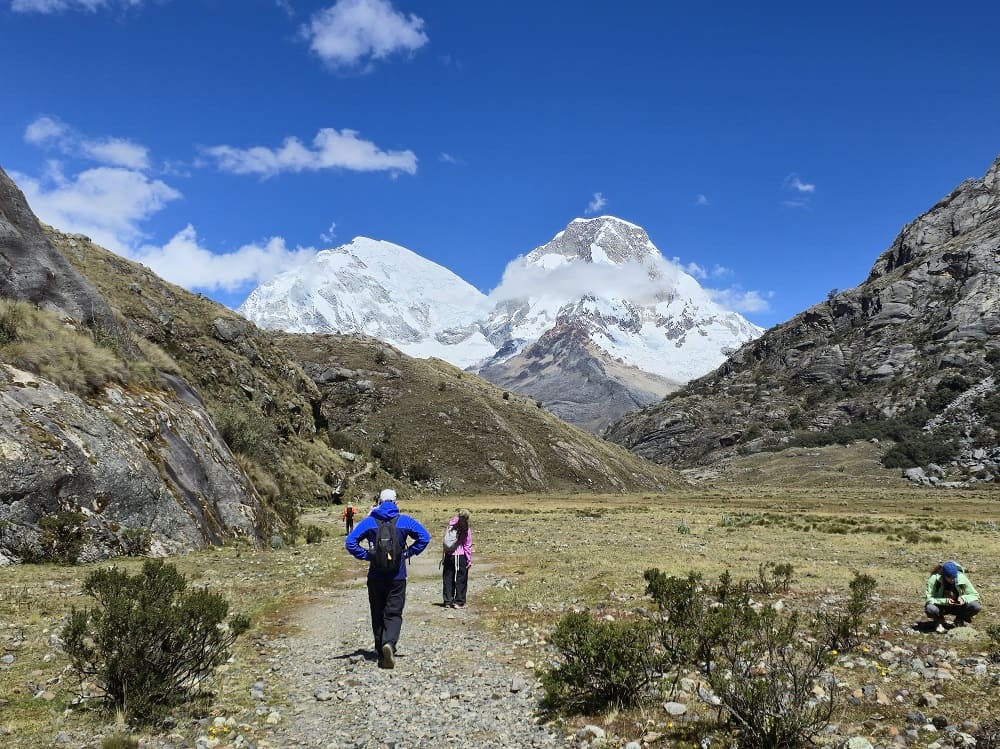
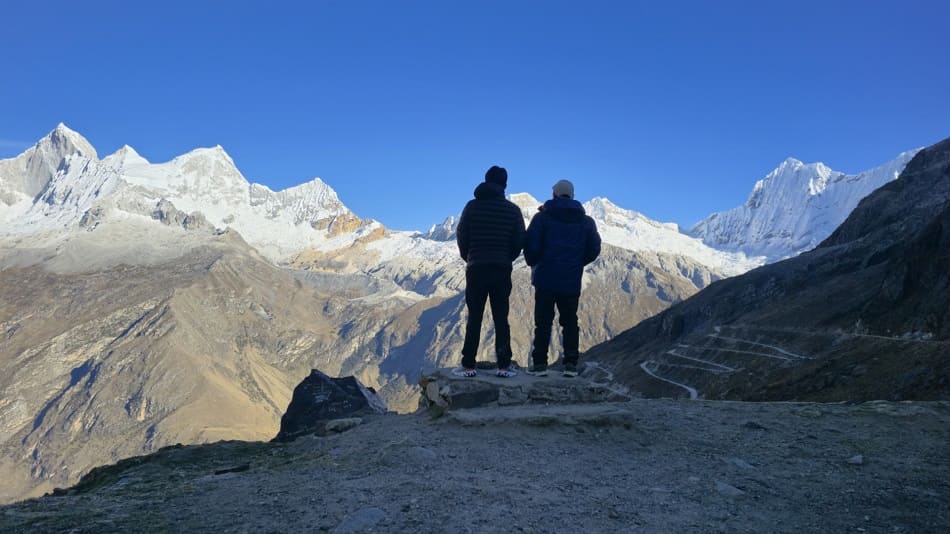
Travelers planning to cross mountain passes around 5,000 meters or attempt a high-altitude summit should generally consider a more progressive acclimatization program. Medical guidance for high-altitude travel emphasizes gradual ascent.
Once you are above 3,000 meters, the increase in sleeping altitude should generally be limited to approximately 500 meters per day, with an additional acclimatization night for every 1,000 meters of sleeping elevation gained. These are general guidelines rather than rigid rules. Individual response and the realities of the terrain must always be considered.
Suggested Huaraz Acclimatization Itinerary
The following itinerary is an example of how you might progressively adapt to altitude before a demanding trek or climb. It should be adjusted according to your previous experience, fitness level, symptoms and final mountain objective.
Day 1: Arrive & Take It Easy in Huaraz
Use your first day to settle in and allow your body to begin adapting. Eat normally, stay adequately hydrated and take a gentle walk around Huaraz if you feel well. Avoid strenuous exercise immediately after arriving. During your first 48 hours at altitude, keep physical activity relatively light and avoid alcohol. The goal of your first day is not to test your fitness. It is to give your body time.
Day 2: Your First Acclimatization Hike
Choose a moderate hike that allows you to gain elevation during the day and return to Huaraz to sleep. Laguna Wilcacocha, at approximately 3,745 meters, can be a good option for beginning progressively.
Located in the Cordillera Negra, the route also provides panoramic views toward the snow-covered peaks of the Cordillera Blanca.
The purpose of this first hike is not to move quickly. Walk at a comfortable pace and pay attention to how your body responds as you gain altitude.
Day 3: Go Above 4,000 Meters
If you wake up feeling well and have no significant altitude-related symptoms, you can consider excursions above 4,000 meters.
Laguna Parón, at approximately 4,185 – 4,200 meters, can be incorporated into an acclimatization program because much of the elevation gain is completed by vehicle and the visit can include relatively short walks around the lake and surrounding viewpoints. This allows you to experience higher altitude during the day before returning to a lower sleeping elevation.
Day 4: A More Demanding Acclimatization Hike
After several days of gradual adaptation, you may be ready for a more physically demanding route. One option is Laguna Churup, located at approximately 4,450 meters. The trail involves sustained ascent and some steeper rocky terrain, making it a useful progression for travelers preparing for longer mountain journeys.
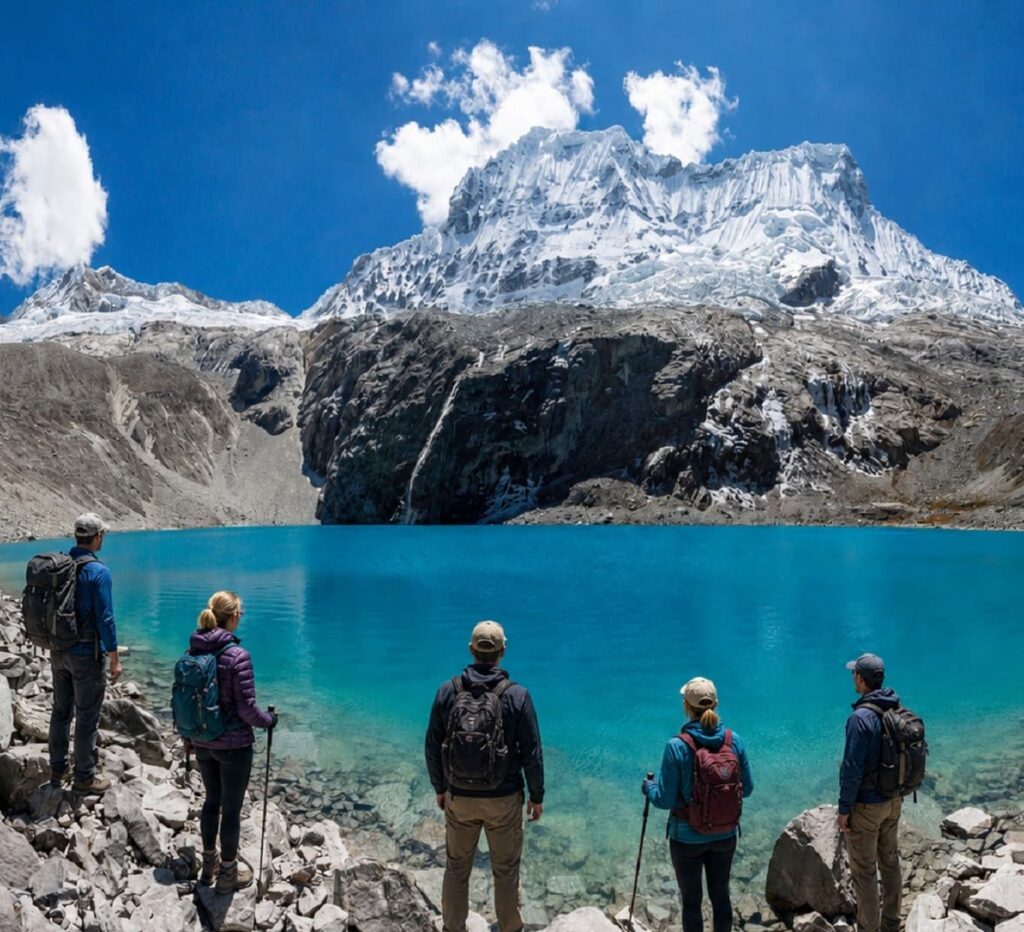
Another possibility is Laguna 69, at approximately 4,604 meters. Because of its altitude, elevation gain and hiking duration, Laguna 69 is generally better approached after some initial acclimatization rather than as your first major hike immediately after arriving from sea level.
Day 5: Rest or Begin Your Trek
After several progressive days, you can either take a recovery day or begin your planned trekking or mountaineering program. How you feel matters more than the number written on your itinerary.
If you still have a persistent headache, nausea, unusual fatigue or other altitude-related symptoms, allow additional recovery time and avoid gaining more sleeping altitude. A flexible itinerary is almost always better than forcing a schedule.
Tips for Acclimatizing Well in Huaraz
Start with Easier Activities
Do not begin with your most physically demanding hike immediately after arriving.
Allow your body time to adjust before attempting long or strenuous activities above 4,000 meters.
Walk Slowly
At altitude, faster does not necessarily mean better.
Take shorter steps, breathe steadily and maintain a pace that feels sustainable.
The goal is not to prove how quickly you can reach the lake or mountain pass.
The goal is to arrive feeling well.
Go Higher During the Day & Sleep Lower
Day hikes are particularly useful during acclimatization because they allow you to experience a higher elevation and then return to a lower altitude to sleep.
Exposure to higher elevations during the day is generally less physiologically stressful than immediately moving your sleeping elevation to the same height.
This is one reason Huaraz works so well as a base for progressive acclimatization.
Stay Hydrated – But Do Not Overdo It
Drink regularly throughout the day according to your thirst, activity level and conditions. Dehydration can make you feel worse at altitude, but forcing excessive amounts of water does not improve acclimatization and can create other problems. Combine appropriate hydration with regular meals and adequate rest.
Avoid Alcohol During Your First Days
Alcohol can interfere with sleep and make it harder to distinguish altitude-related symptoms. Avoiding alcohol during the first 48 hours at altitude is a sensible part of your initial acclimatization strategy.
Never Hide Symptoms from Your Guide
If something does not feel right, say so. Reporting symptoms early gives your guide an opportunity to reduce the pace, reassess the route, add rest or recommend descent before a minor problem becomes more serious. There is no prize for hiding a headache.
Keep Your Itinerary Flexible
Mountain weather changes. Your body’s response to altitude can change too. An additional recovery day can sometimes make the difference between enjoying an expedition and having to abandon it later. Good mountain planning includes room to adapt.
Talk to a Doctor Before Using Altitude Medication
Acetazolamide is sometimes used to help prevent or reduce acute mountain sickness and speed acclimatization. Whether it is appropriate for you depends on factors such as your medical history, planned rate of ascent and itinerary. Speak with a qualified healthcare professional familiar with altitude medicine before taking prescription medication for your trip.
What Are the Symptoms of Altitude Sickness?
Acute mountain sickness, commonly known in Peru as soroche, can develop after arriving at high elevation or ascending too quickly.
Common early symptoms may include:
- Headache
- Fatigue
- Dizziness
- Loss of appetite
- Nausea
- Vomiting
- Difficulty sleeping
Symptoms commonly begin within several hours of arrival at a higher elevation or during or after the first night. Do not assume that feeling unwell is simply part of the adventure. Pay attention to your body.
What Should You Do If You Develop Symptoms?
If you develop symptoms compatible with altitude sickness, do not continue ascending while symptoms persist.
Rest, tell your guide and monitor how you feel.
If symptoms become worse while you remain at the same altitude, descending to a lower elevation becomes essential.
Continuing upward despite worsening symptoms can turn a manageable situation into a serious mountain emergency.
Important: This article provides general educational information and does not replace professional medical advice. Travelers with heart, lung or other significant medical conditions should discuss high-altitude travel with a qualified healthcare professional before their trip.
Warning Signs That Require Immediate Action
Certain symptoms can indicate serious altitude illness and require urgent descent and medical attention.
Warning signs include:
- Confusion
- Extreme drowsiness
- Loss of coordination
- Difficulty walking normally
- Shortness of breath at rest
- Persistent or worsening cough
- Severe weakness
- Significant deterioration in physical condition
Confusion and loss of coordination can be signs of High Altitude Cerebral Edema (HACE).
Shortness of breath at rest, weakness and cough can be signs of High Altitude Pulmonary Edema (HAPE).
Both are potentially life-threatening emergencies.
If serious altitude illness is suspected, descent should not be delayed while waiting to see whether the person improves.
Common Acclimatization Mistakes in Huaraz
Hiking Laguna 69 Immediately After Arriving
Laguna 69 is spectacular, but its altitude and physical demands can make it a poor first activity for an unacclimatized traveler arriving directly from sea level. Build up progressively instead. The mountains will still be there tomorrow.
Thinking Fitness Protects You from Altitude Sickness
It does not. Runners, cyclists, climbers and highly trained athletes can all develop altitude illness. Good fitness may help you handle the physical effort of hiking, but it does not determine your individual susceptibility to altitude sickness.
Trying to Keep Up with Someone Else
Everyone acclimatizes differently.Walking at another person’s pace can push you to work harder than necessary and may encourage you to ignore important symptoms. Your pace should be your own.
Following the Itinerary at Any Cost
A responsible mountain itinerary needs flexibility. Completing every planned activity is never more important than making a sensible decision about your health and safety. Changing a plan is not failure. Sometimes it is simply good mountain judgment.
Relying Only on a Pulse Oximeter
A pulse oximeter can provide useful additional information about blood oxygen saturation and pulse. However, a number on a screen should never replace attention to symptoms, overall condition or professional judgment.How you feel and how you are functioning remain essential parts of the assessment.
Recommended Acclimatization Hikes around Huaraz
At Exploria, we design acclimatization programs according to your experience, fitness level, available time and final trekking or mountaineering objective. Day hikes can be combined with rest days and progressively higher activities before beginning a major expedition.
Consider options such as:
- Dos Wankas Hike
- Laguna 69 Hike
- Laguna Churup Hike
- Paso del Zorro Hike
- Laguna Parón Tour
- Pastoruri Tour
- Chavín de Huántar Tour
- Laguna Rocotuyoc Hike
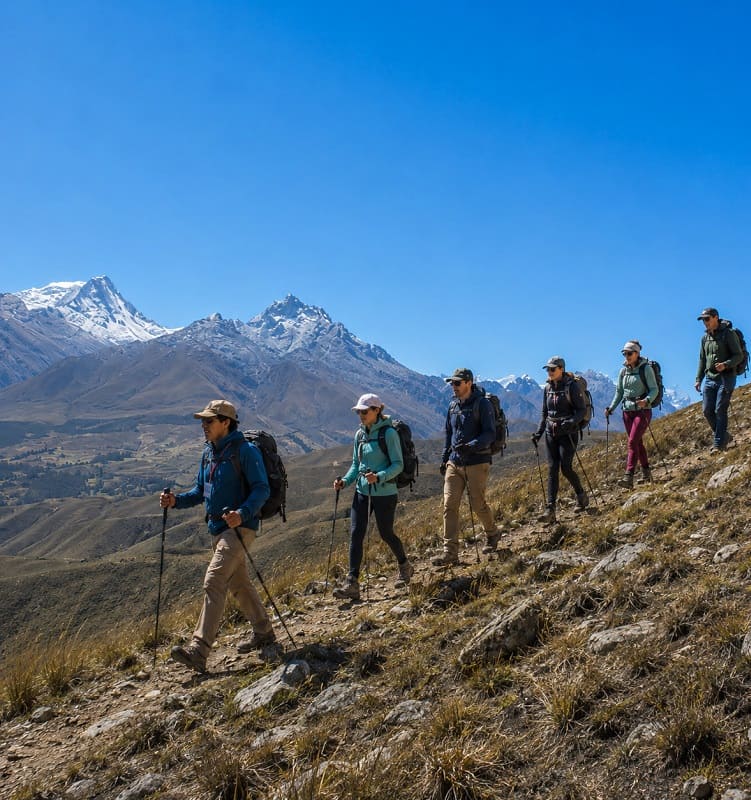
Start Your Adventure with Proper Acclimatization
Tell us which trek or mountain you are planning to experience. At Exploria, we can help you build a progressive acclimatization program with carefully selected hikes, transportation, experienced guides and the logistics you need before beginning your main adventure.